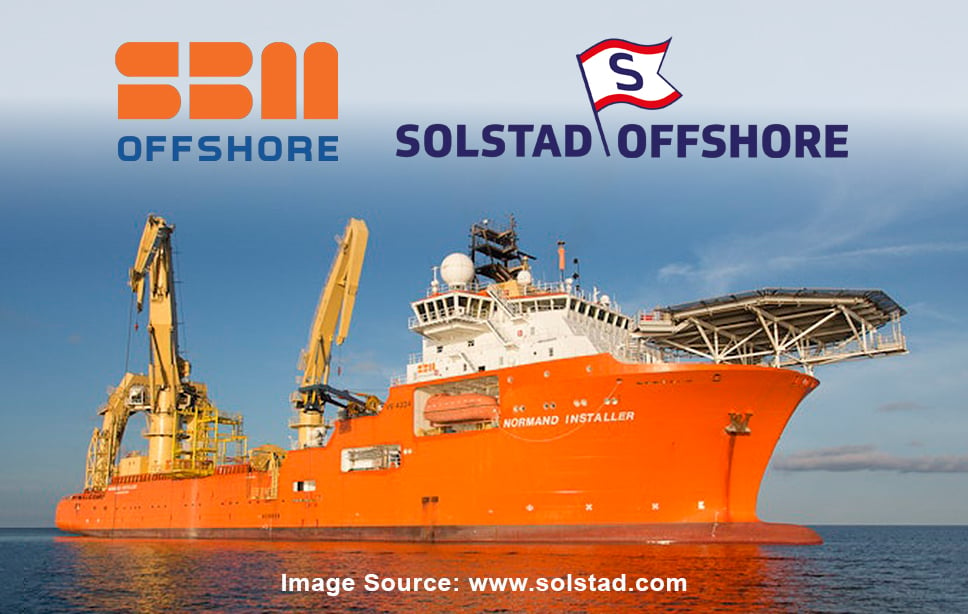
SBM Offshore and Solstad Offshore have taken a significant step in strengthening their long-standing partnership, announcing a new joint venture to develop a next-generation deepwater installation and construction vessel. Scheduled for delivery in early 2029, the vessel represents a strategic investment aimed at supporting the evolving demands of complex offshore projects.
Under the terms of the agreement, Solstad Offshore will hold a 50.1% ownership stake, while SBM Offshore will retain 49.9%. The vessel will be primarily deployed by SBM under a 14-year charter agreement, ensuring long-term utilization and reinforcing commitment from both partners. Designed to handle a broad range of offshore activities—including mooring installation, subsea construction, riser pull-in, hook-up, and inspection, maintenance, and repair (IMR) work—the asset is poised to become a critical component of SBM’s project execution capabilities.
Strengthening the EPCIO Model
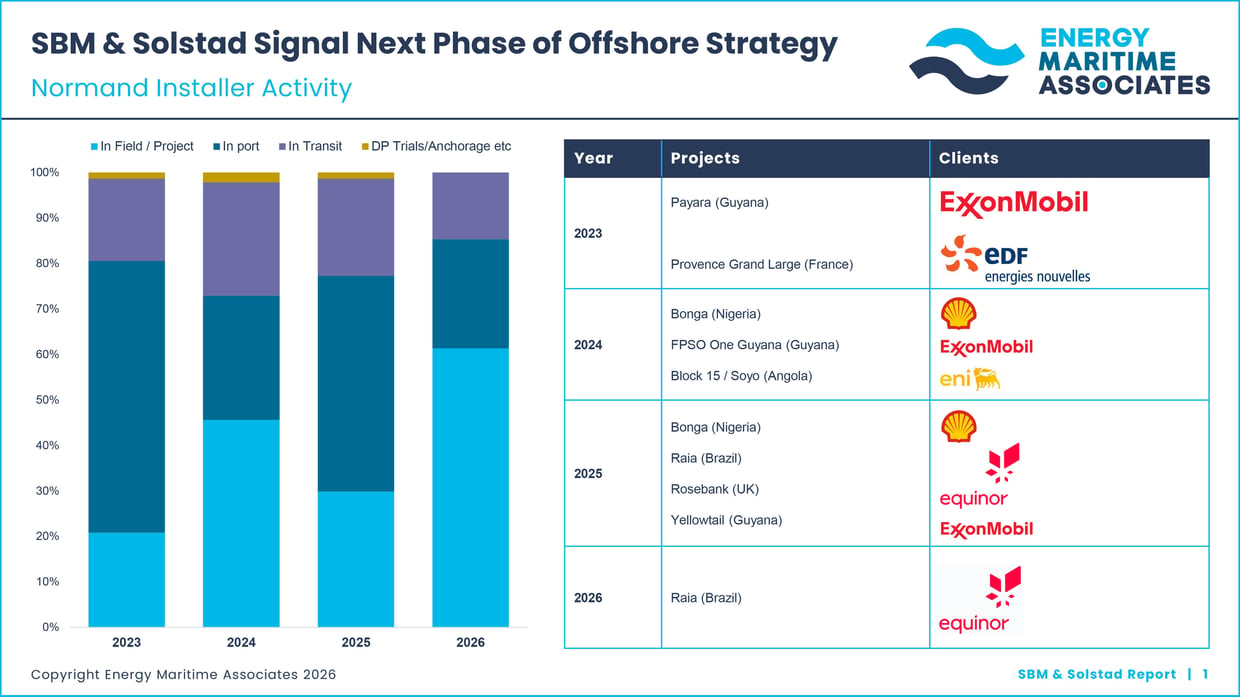
This newbuild builds directly on the success of the Normand Installer, a vessel that has already played a pivotal role in SBM’s offshore operations. By expanding its access to specialized installation capacity, SBM continues to enhance its EPCIO (Engineering, Procurement, Construction, Installation, and Operation) model. Bringing more installation capability in-house allows SBM to improve project execution, reduce interface risk, and better manage delivery timelines—an increasingly important advantage as offshore developments grow in scale and complexity.
Driven by a Robust Offshore Pipeline
The investment is underpinned by a strong and sustained global pipeline of FPSO projects, particularly in key regions such as Brazil, West Africa, and emerging deepwater basins. Demand for floating production systems remains resilient, while the supply of high-spec installation vessels is tightening after years of underinvestment.
As offshore developments become more technically demanding, operators are placing a premium on execution certainty. Securing dedicated vessel capacity provides SBM with greater control over project schedules, reducing exposure to market bottlenecks and availability constraints. At the same time, the vessel positions the company to support adjacent offshore infrastructure needs tied to the energy transition and the broader “blue economy.”
Tightening Market Signals New Investment Cycle
The broader offshore vessel market is entering a period of constrained supply. Following years of limited newbuild activity, accelerated project sanctions are now driving a surge in demand for advanced installation assets. As a result, vessel availability is tightening and day rates are trending upward.
This environment favors integrated contractors like SBM, who can secure access to critical assets ahead of demand peaks. It also suggests the early stages of a new investment cycle in offshore vessels—albeit one characterized by disciplined, partnership-driven approaches rather than speculative ordering. Joint ventures like the SBM–Solstad collaboration enable companies to balance capital intensity with long-term strategic needs, combining shared ownership with committed charters.
EMA Takeaways: What This Means for the Offshore Market
1. Securing Capacity Ahead of Demand
Operators and contractors are increasingly locking in vessel capacity early as offshore project pipelines expand and availability tightens. This proactive approach is becoming essential to ensure project continuity.
2. Shift Toward Greater Integration
Leading contractors are moving installation capabilities closer to core project execution to mitigate delivery risks. SBM’s strategy mirrors broader industry trends, including TechnipFMC’s iEPCI model and fleet-aligned approaches from Subsea7 and Saipem.
3. A Unique Positioning for SBM
SBM stands out as the only pure-play FPSO contractor making a deliberate move into installation vessel access. By combining floating production expertise with dedicated installation capacity, SBM is creating a differentiated and difficult-to-replicate operating model.
4. Maximizing Strategic Vessel Access
The continued use of the Normand Installer alongside the new JV vessel highlights a dual strategy—leveraging both long-term charters and partial ownership to balance flexibility with execution certainty.
5. Partnership-Driven Asset Strategies
The 50/50-style ownership structure (with Solstad holding a slight majority) reflects a growing preference for shared investment models. These structures allow companies to secure critical assets while managing capital exposure.
6. A Selective Newbuild Cycle Emerging
While not yet indicative of a broad speculative ordering boom, this investment signals growing confidence in sustained offshore activity. Similar partnership-backed newbuilds are likely to emerge as the market cautiously renews its fleet.
Final Thoughts
The SBM–Solstad joint venture is more than just a vessel order—it is a strategic signal of how offshore contractors are adapting to a tightening market and increasingly complex project landscape. By securing long-term, dedicated installation capacity, SBM is not only de-risking its own project pipeline but also shaping a more integrated and resilient execution model.
Stay Ahead with EMA
As offshore markets continue to evolve, staying ahead of vessel availability trends, project pipelines, and contractor strategies is critical. Energy Maritime Associates (EMA) provides real-time data, market intelligence, and deeper insights across floating production, offshore vessels, and subsea infrastructure through its Flowline platform and advisory services.
Contact EMA today to learn how our data and insights can help you identify opportunities, mitigate risk, and make more informed strategic decisions in a tightening offshore market.
📩 Get in touch:
eric.sherman@energymaritimeassociates.com

 Eric Sherman
 Eric Sherman : Thu, Aug 6, 2026